
Day 5 of the International Summer School continued with practical field training
23.07.2026
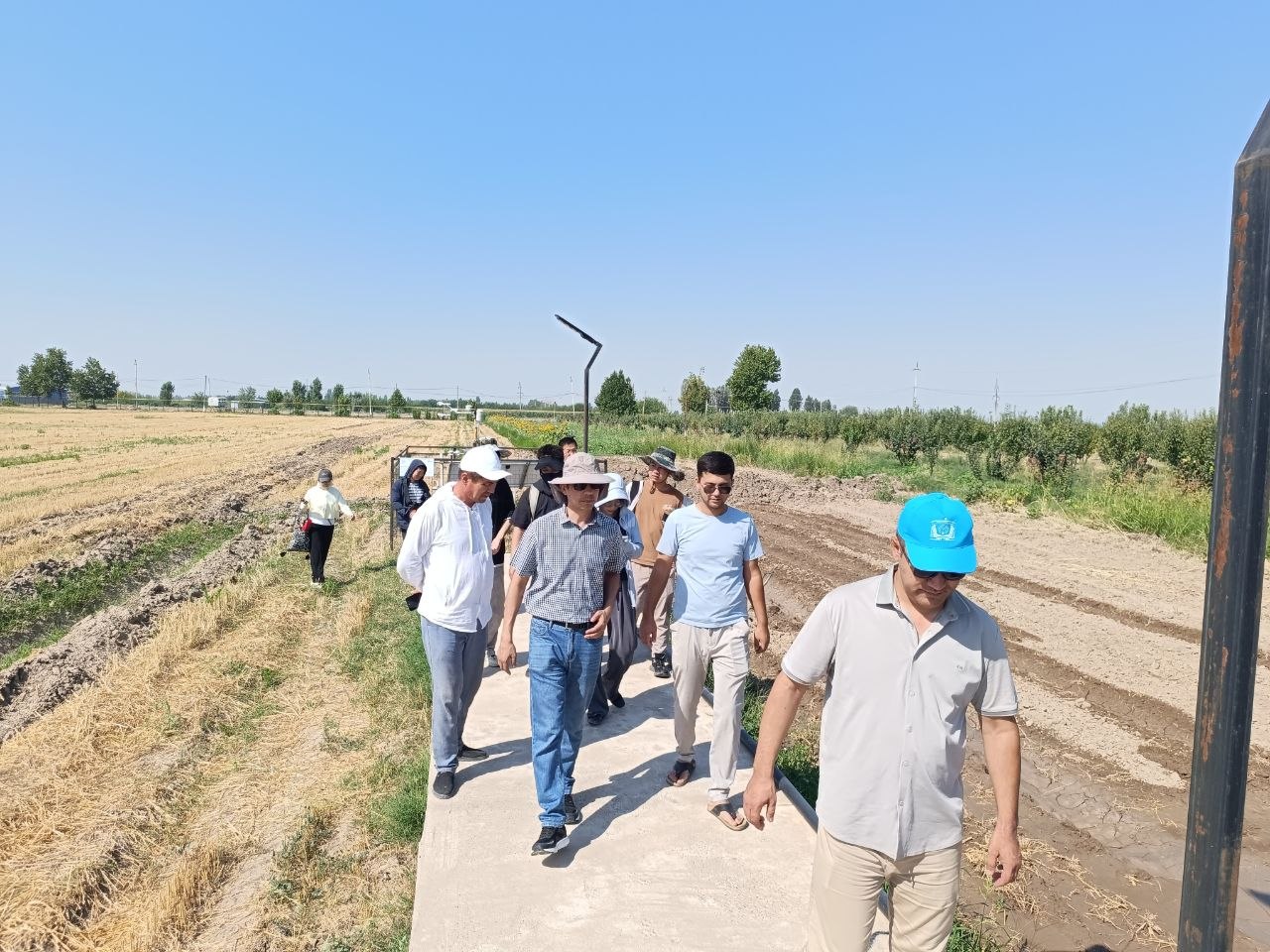
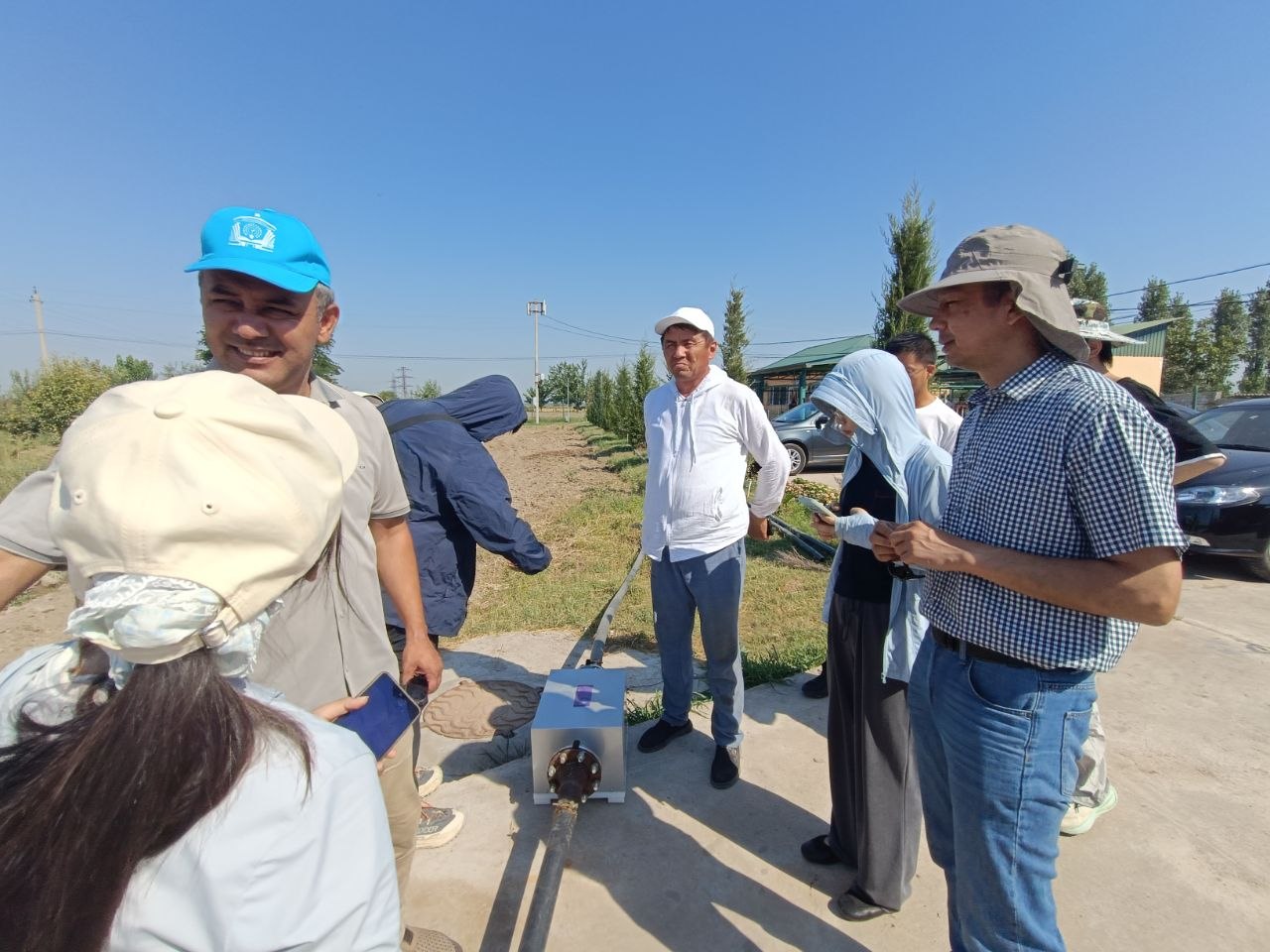
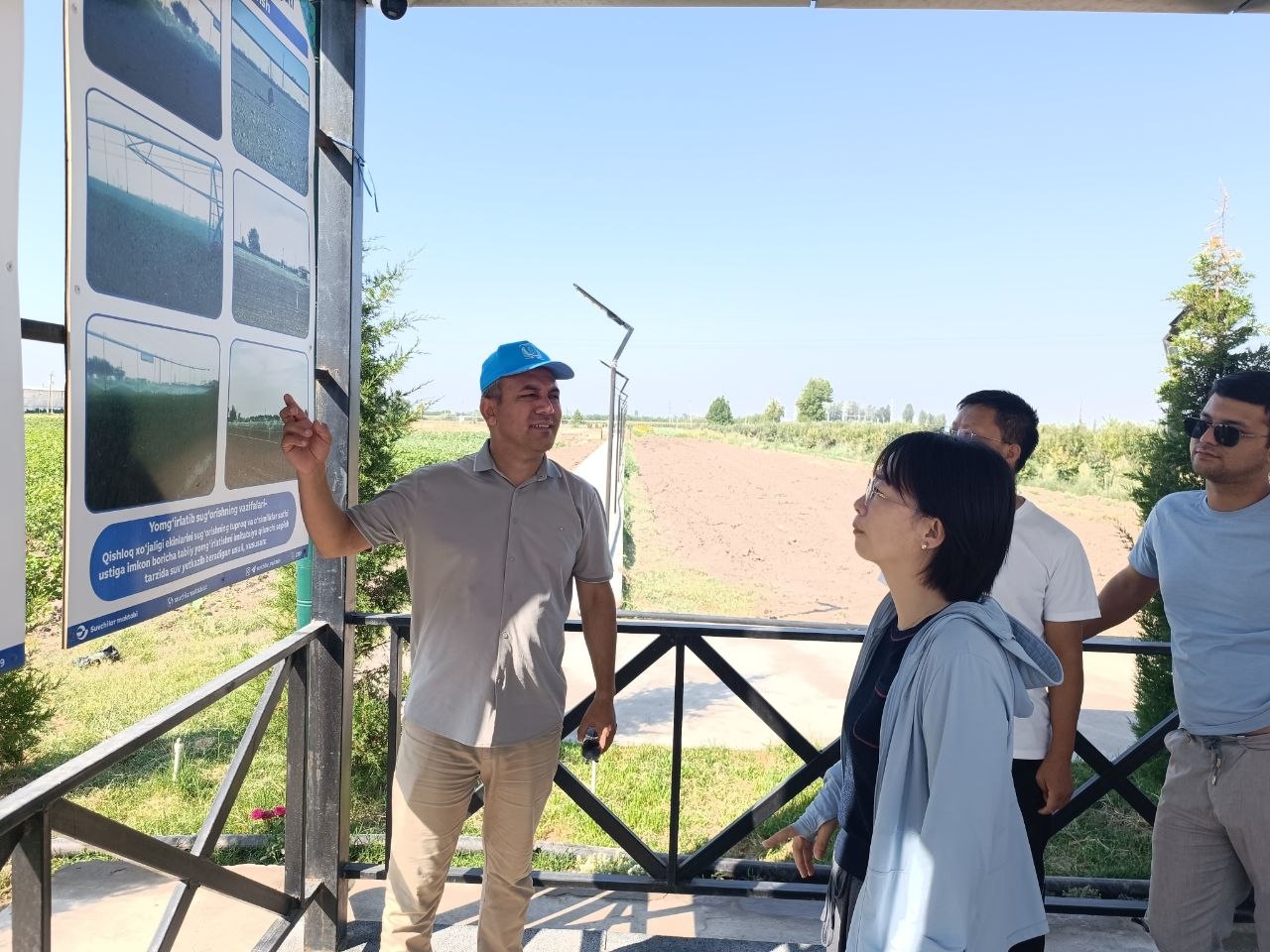
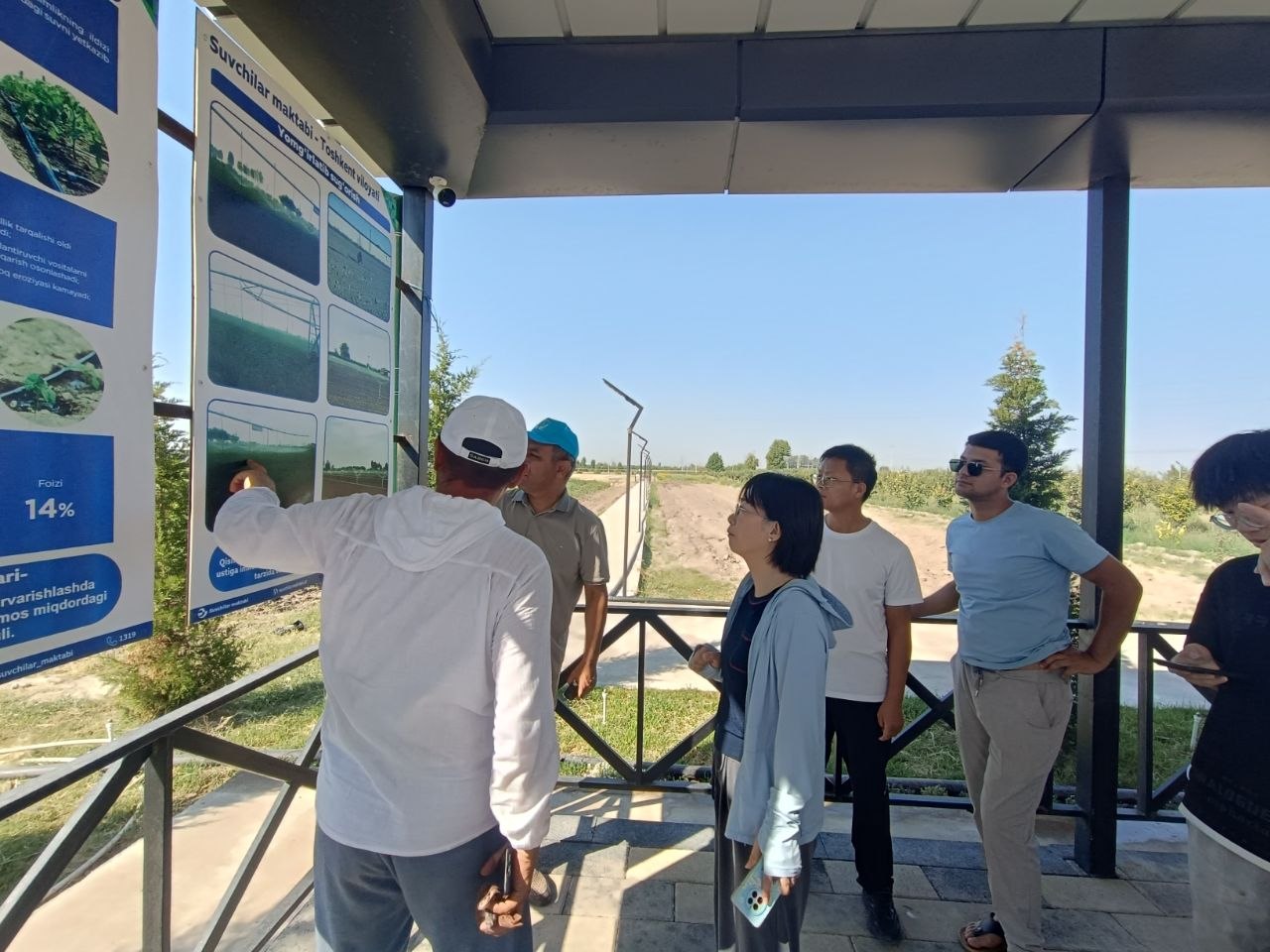
On July 18, 2026 the fifth day of the International Summer School titled "Adaptation and practical application of Uzbek–Chinese water-saving technologies under climate change conditions," organized by "Tashkent Institute of Irrigation and Agricultural Mechanization Engineers" National Research University, continued in the form of a scientific and practical field trip.
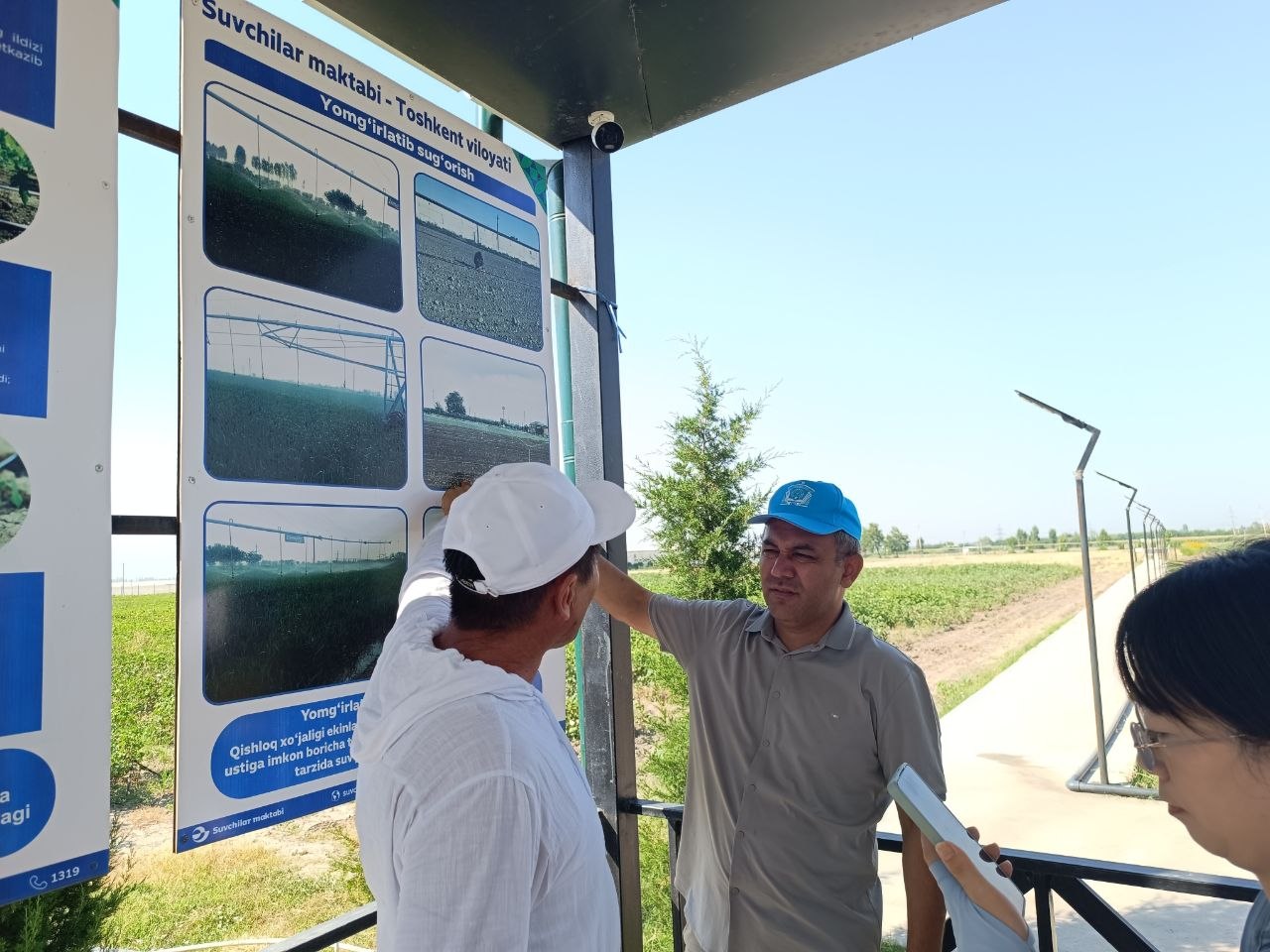
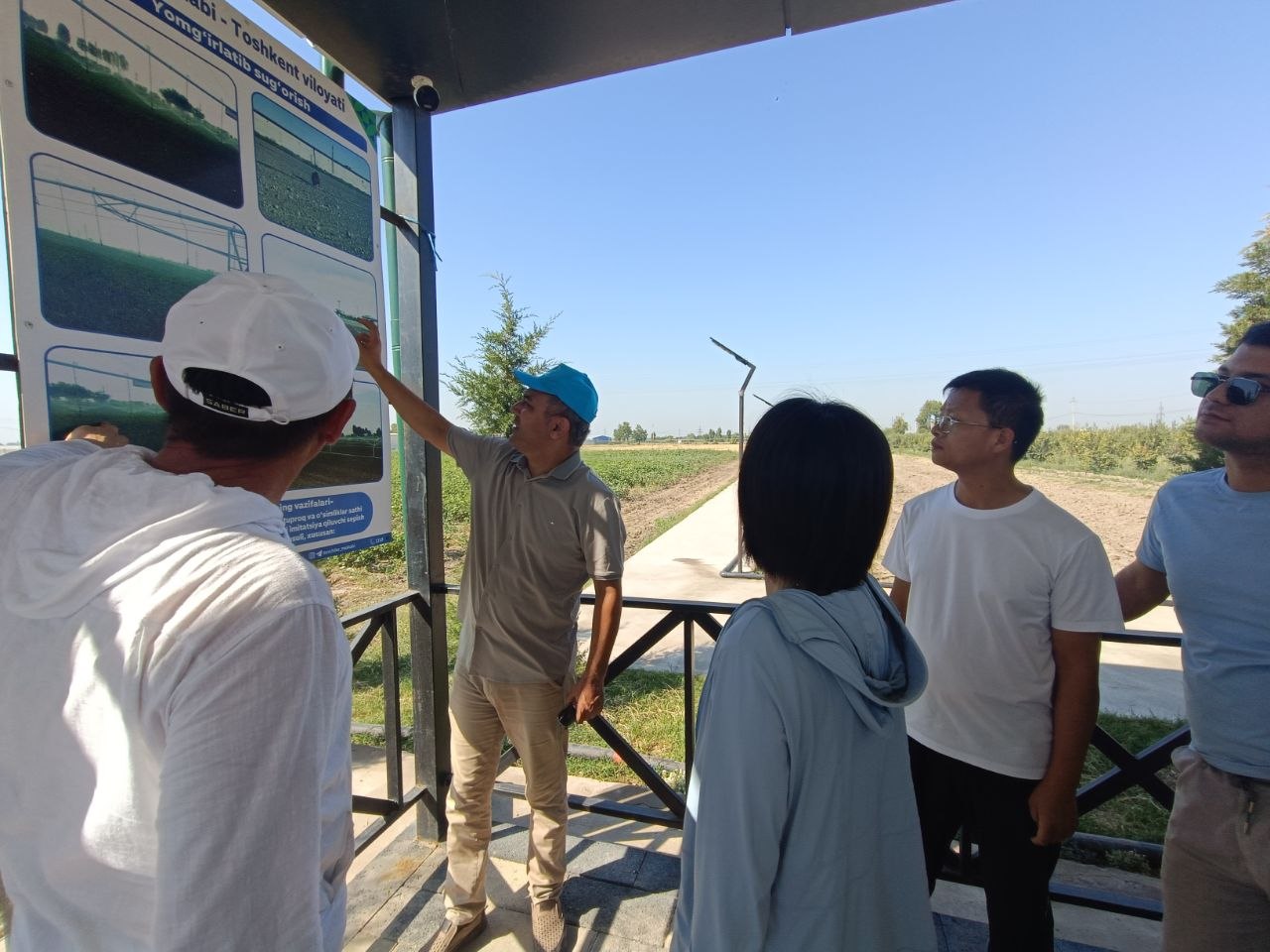
As part of the program, professors, doctoral researchers, master's students, and undergraduate students from Uzbekistan and China visited the university's experimental research field located in Uchkhoz area of Urtachirchiq District, Tashkent Region.
During the visit, participants became closely acquainted with the scientific research being conducted at the experimental site, the practical implementation of water-saving irrigation technologies, and modern irrigation methods introduced based on Chinese experience. Demonstrations were provided on drip irrigation systems, water distribution management, assessment of crop water requirements, and practical approaches to the efficient use of water resources under field conditions. Participants also received detailed information about the advantages of these technologies, their role in improving water and energy efficiency, and their contribution to increasing agricultural productivity.
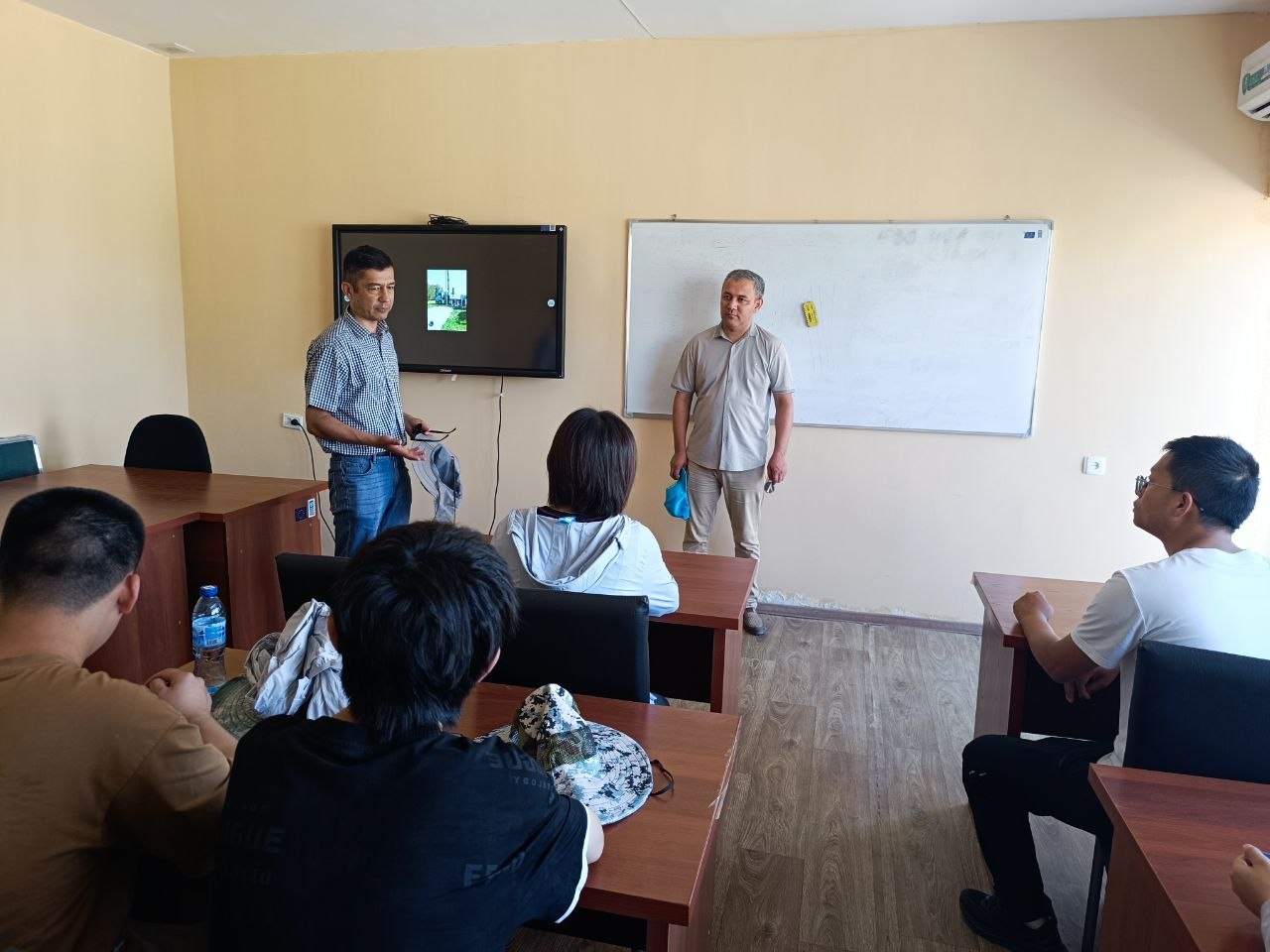
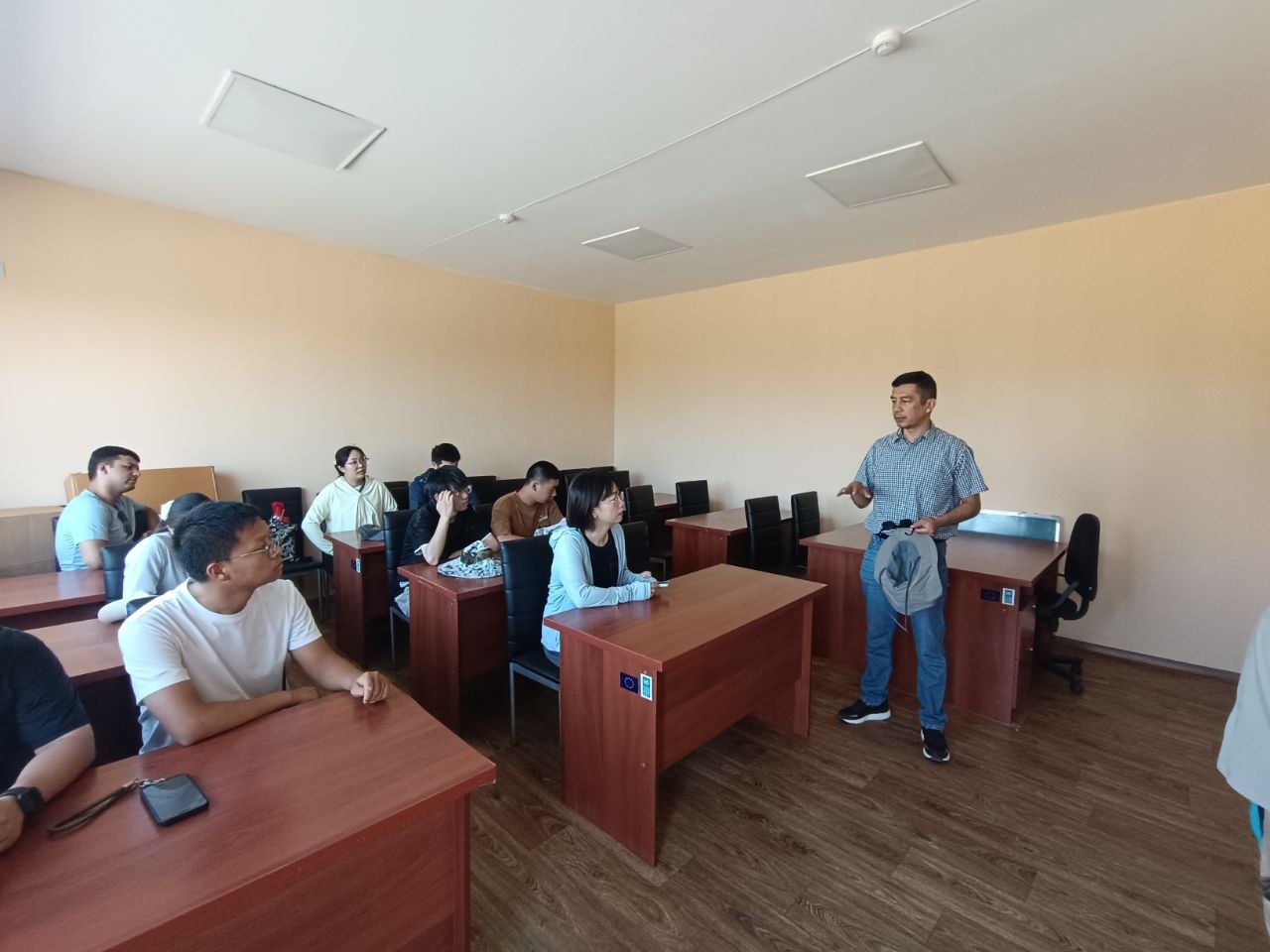
The university Vice Rector, Shukhrat Sobirov, also participated in the field trip and held a friendly discussion with the Summer School participants. He emphasized the importance of strengthening international scientific cooperation, supporting young researchers, and expanding joint research projects between Uzbekistan and China. The participants also exchanged views on the ongoing field experiments and their practical outcomes.
During the practical sessions, participants gained hands-on experience in understanding the operating principles of irrigation systems, conducting field monitoring, using modern measurement equipment, and organizing scientific experiments. The event also featured experience-sharing sessions, scientific discussions, and question-and-answer activities between Uzbek and Chinese specialists, during which valuable recommendations and proposals were presented for the further improvement of water-saving technologies.
These practical field activities served as an important platform for integrating theoretical knowledge with practical application, enhancing the scientific capacity of young researchers, and studying modern water-saving technologies under real production conditions. Such practical events organized within the framework of the International Summer School continue to strengthen cooperation between the higher education and scientific institutions of Uzbekistan and China, promote joint research initiatives, and create a solid foundation for the implementation of future innovative projects.