

A videoconference meeting chaired by the President Shavkat Mirziyoyev was held to discuss the priority tasks for the fuel and energy sector
28.07.2026
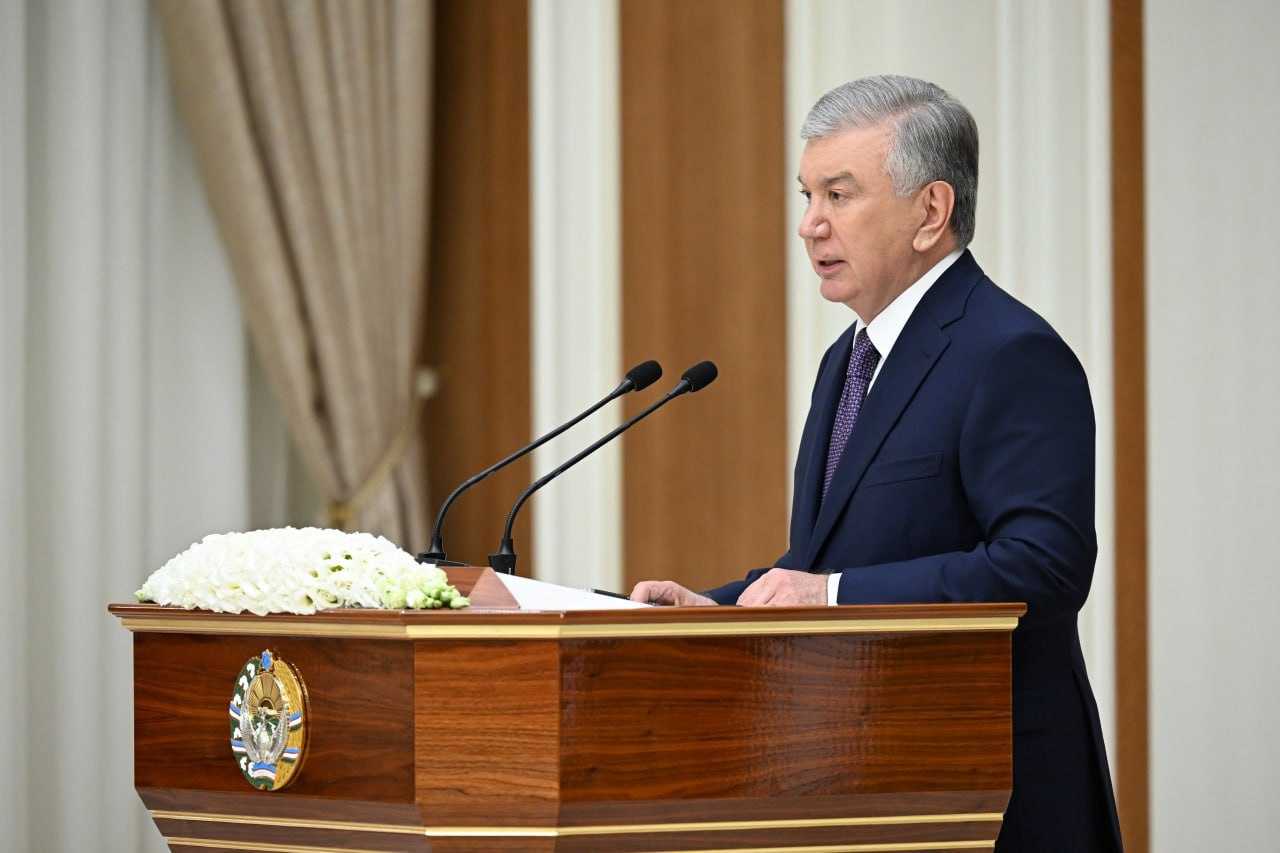
During the meeting:
The President emphasized that modern, highly skilled professionals are essential across all sectors—especially in the energy industry to transition the economy toward a technology- and innovation-driven growth model.
Currently, 25 technical universities train approximately 5,500 specialists in this field each year.
“The truth is that because education is not sufficiently connected with practical experience, it takes graduates two to three years to fully adapt to their jobs,” the President said.
Officials were instructed to completely revise the curricula for fuel and energy programs at universities within one month. By September 1, work will begin to upgrade laboratories and training facilities to meet new requirements.
Starting from the new academic year, half of all third-year students and all fourth-year students in these programs will participate in a dual education system that combines classroom learning with practical workplace training. This is necessary because, over the next two to three years, thousands of specialists will be needed in areas such as solar and wind power generation and electric vehicle charging infrastructure.
Saudi Arabia’s ACWA Power has equipped the Shirin Energy Technical College and is training 220 young people each year in new professions. Beginning with the new academic year, this model will also be introduced at one technical college each in Karakalpakstan, Bukhara, and Navoi.
During the meeting, reports from the responsible officials were also heard.